
Connections That Deliver Reliable Water Supply
Water Line Installation in Winchester for properties requiring new or replacement underground water service
Properties without functioning water connections or those replacing corroded, leaking underground lines need water line installation that establishes a durable path from the supply source to the structure. SignatureCraft Solutions completes the excavation, pipe placement, and site preparation required to bring water service to residential and commercial buildings. The work matters most when new construction requires initial service hookup, when existing lines have failed due to age or frost damage, or when property expansions need dedicated supply runs.
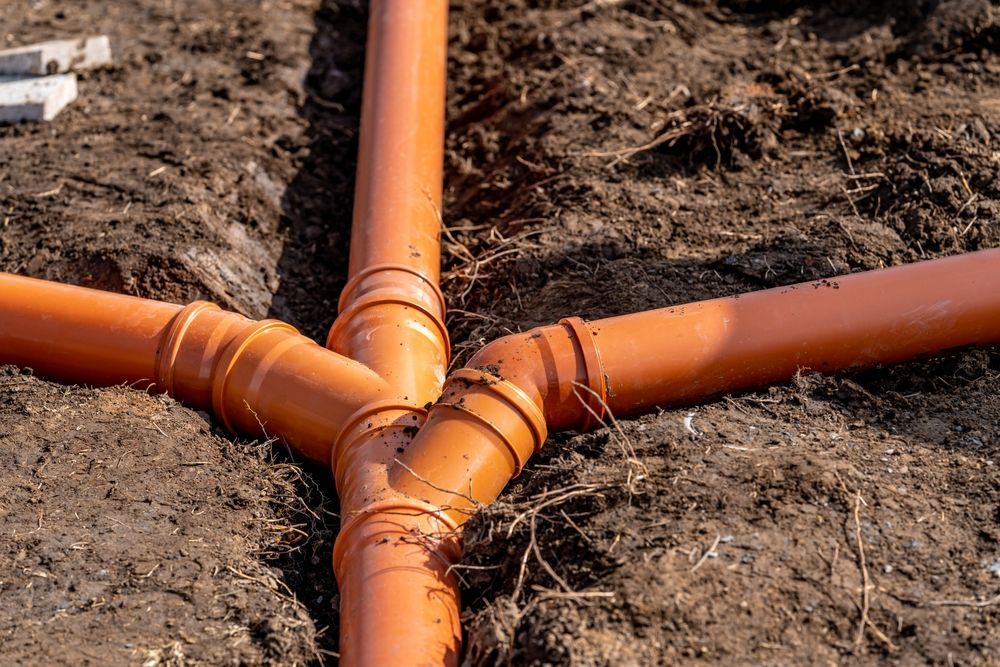
Installation involves trenching from the supply point to the building entry, positioning piping at depths that prevent freeze damage, and backfilling with material that protects the line from shifting soil and surface loads. Proper burial depth depends on local frost line depths—in colder regions, water lines must sit below the deepest soil freezing point to avoid ruptures when temperatures drop.
Arrange an on-site consultation to identify the supply connection point and review excavation access for your property.
How Water Line Installation Addresses Supply Needs
The installation begins with marking utility locations to avoid damaging existing underground services during excavation, then trenching a path that accommodates the required pipe diameter while maintaining appropriate slope for drainage if needed. Pipe material selection and joint methods depend on soil conditions, expected pressure, and whether the line will carry water from a municipal main, a private well pump, or another pressurized source. Bedding material around the pipe prevents sharp stones or soil clumps from stressing joints during settling.
After installation completes, water flows from the source through the buried line into your structure without leaks, pressure drops, or contamination from surrounding soil. You'll notice consistent pressure at fixtures, no wet spots developing along the pipe route, and no need to manage temporary surface lines or exposed piping. The underground installation protects the line from weather exposure, accidental damage, and freezing conditions that would compromise an above-ground connection.
Water line installation includes trenching, pipe placement, and backfilling the excavated path, but it does not include connection to the utility main unless that work is specifically part of the project scope, nor does it include interior plumbing modifications, meter installation, or landscaping restoration beyond grading disturbed areas. Properties with rocky soil, steep grades, or limited equipment access may require additional site preparation to complete the trench safely and at the correct depth.
Common Questions About This Service
Clients frequently ask about planning details and what factors affect water line projects before excavation begins.
What determines how deep the water line needs to be installed?
Burial depth must exceed the local frost line to prevent the pipe from freezing and bursting during winter, which varies by region—areas with colder winters require deeper trenches. Building codes typically specify minimum depths based on historical freeze data for the area.
How does soil condition affect the installation process?
Rocky soil or ledge requires more extensive excavation work and sometimes mechanical breaking to achieve trench depth, while loose sandy soil may need wider trenches or additional bedding to prevent pipe movement. Wet or saturated soils can require dewatering during installation to maintain trench stability and allow proper pipe bedding.
What pipe materials are typically used for water line installations?
Common materials include copper, PEX, and HDPE, each suited to different soil conditions, pressure requirements, and connection methods. Material choice depends on whether the line will encounter acidic soil, experience ground movement, or need to flex around obstacles without rigid fittings.
How long does the excavation and installation process take?
Most residential water line installations complete within one to two days depending on trench length, soil conditions, and site access for excavation equipment. Projects requiring extensive ledge removal, deep burial, or coordination with other site work take longer.
What site restoration happens after the pipe is installed?
Trenches are backfilled with excavated material or imported fill, compacted to prevent settling, and graded to match surrounding terrain. Final surface restoration like seeding, paving, or decorative landscaping is typically handled separately unless included in the project agreement.
SignatureCraft Solutions manages excavation and pipe installation for water line projects based on your property's layout and supply requirements. Request a detailed estimate to review trench routing and project logistics specific to your site.