
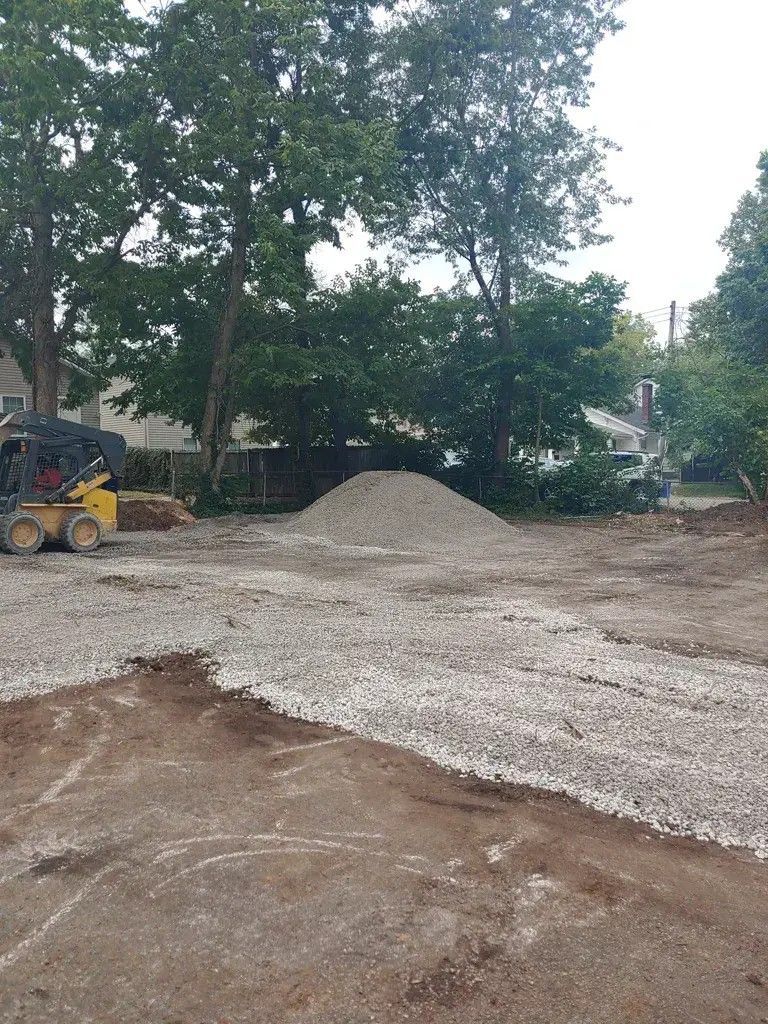
Ground Prepared for What Gets Built Next
Excavation Services in Winchester for properties requiring grading, trenching, or material removal before construction begins
Every foundation, utility line, septic system, and concrete slab starts with excavation that removes soil to the correct depth and grades the surface to control water movement and provide a stable base for what follows. Winchester area properties vary in terrain, soil composition, and existing conditions, which is why excavation planning accounts for slope, drainage patterns, and whether rock or unsuitable material needs removal before construction equipment arrives. SignatureCraft Solutions handles excavation for residential and commercial sitework, preparing areas for concrete placement, foundation construction, utility installation, and other projects where ground conditions directly affect the quality and longevity of the finished work.
Excavation work involves cutting into existing grade to reach the elevation specified by project plans, removing unsuitable material such as organic topsoil or soft clay, and shaping the ground to direct water away from structures. The depth and extent of excavation depend on whether the project requires a level building pad, trenches for utilities, or removal of material to reach load-bearing soil that won't compress under structural weight.
Arrange a site evaluation to assess soil conditions and determine what excavation work your project requires.
What Excavation Actually Accomplishes
Proper excavation creates a work area where grade is controlled, drainage is directed away from critical areas, and unsuitable soil has been replaced with compacted fill or structural base material. Equipment selection depends on site access, soil type, and whether the project involves shallow grading or deep cuts for basements and utility trenches.
Once excavation is complete, you'll see a defined area ready for the next construction phase, with elevations matching the project's grading plan and water running away from foundations rather than pooling in low spots. Excavated material is either redistributed on-site for grading purposes or hauled away when unsuitable for reuse, and any rock encountered during digging requires additional equipment or techniques beyond standard earthmoving.
Excavation doesn't include the construction work that follows, such as concrete placement or utility installation, though it often occurs in coordination with those trades to prevent delays and ensure proper sequencing. Underground utilities, septic systems, and building footprints must be located before digging begins to avoid damaging existing infrastructure, and wet or unstable soil may require dewatering or stabilization before excavation can proceed safely.
What Property Owners Usually Ask
Questions about excavation often focus on site-specific challenges, what the process involves, and how ground conditions affect the scope of work required before construction moves forward.
What site assessment happens before excavation begins?
Contractors evaluate slope, drainage patterns, soil type, and whether underground utilities or rock are present, all of which influence equipment selection and whether additional steps like dewatering or rock removal are necessary.
How does Winchester's clay soil affect excavation work?
Clay becomes slippery and difficult to compact when wet, so excavation timing often depends on recent rainfall and whether the ground has dried enough to support equipment without rutting or creating unstable trench walls.
What happens to soil removed during excavation?
Topsoil can be stockpiled for reuse in landscaping areas, subsoil may be used for grading if suitable, and unsuitable material or excess soil is hauled off-site to maintain proper elevations around the finished structure.
Why does excavation depth matter for foundations?
Excavation must reach undisturbed, load-bearing soil and extend below the frost line to prevent settling and frost heaving, which means depth varies based on soil conditions and structural requirements rather than following a fixed measurement.
When should excavation happen in the construction timeline?
Excavation typically occurs after site layout and utility marking but before concrete or foundation work, allowing just enough time for grading and base preparation without leaving open trenches exposed to weather for extended periods.
SignatureCraft Solutions coordinates excavation with related sitework and construction phases to maintain project momentum and address site conditions as they're encountered. Contact us to review your property's terrain and discuss excavation requirements for your planned project.