Properties Made Ready for Development Work
Land Clearing & Site Prep in Winchester for building sites, access routes, and areas requiring vegetation and debris removal
Overgrown vegetation, standing trees, stumps, and surface debris prevent construction equipment from accessing a site and obscure the ground conditions that determine how excavation, grading, and foundation work proceed. Land clearing removes these obstacles and establishes a defined work area where contractors can evaluate slope, drainage, and soil without interference from brush, roots, or accumulated organic material. You need this service before starting foundation work, installing septic systems, pouring concrete, or grading land that hasn't been maintained or previously developed. SignatureCraft Solutions provides land clearing and site preparation across Winchester, Frankfurt, Ferris, and neighboring communities, working with properties transitioning from raw land to construction-ready condition.
Clearing involves cutting and removing trees, grinding stumps below grade to prevent interference with grading equipment, and removing brush, vines, and debris that cover the ground surface. The extent of clearing depends on the project's footprint and whether surrounding vegetation will remain or also requires removal to provide equipment access and establish drainage paths.
Request a property walkthrough to identify clearing limits and discuss how vegetation removal integrates with your overall site development plan.
Why Land Clearing Happens Before Construction Begins
Site preparation follows clearing, involving rough grading to establish general elevations, removing topsoil from areas where structures will be built, and creating access routes for construction equipment. This phase doesn't include fine grading or final surface work, which happen after foundations and utilities are installed, but it does set the stage for accurate excavation and ensures that subsurface conditions are visible before digging begins.
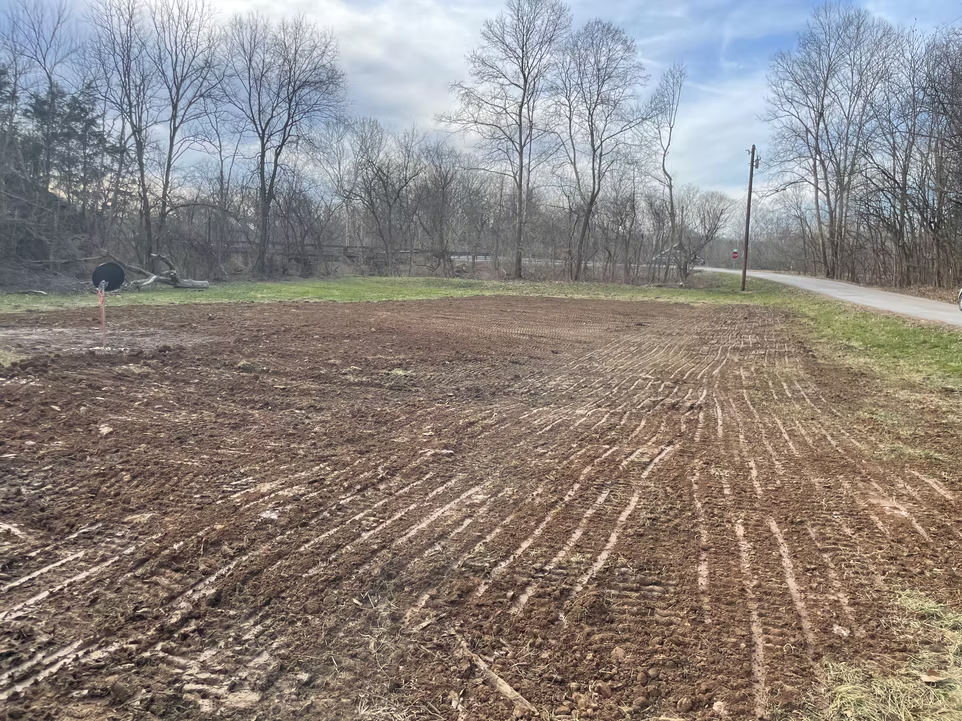
After clearing and initial site prep, you'll notice a defined work area with vegetation removed, stumps ground below the anticipated grade level, and enough clearing around the building footprint to allow equipment movement without damaging surrounding trees or property features you've chosen to preserve. Debris is typically chipped, hauled off-site, or burned if local regulations and site conditions allow, with the specific disposal method depending on volume and material type.
Land clearing doesn't include final grading, landscaping, or seeding, all of which occur after construction is complete, and it doesn't address drainage structures or permanent access drives unless those elements are specifically included in the site prep scope. Properties with protected tree species, wetlands, or steep slopes may require permits or environmental assessments before clearing work can legally proceed.
Common Questions About This Service
Property owners preparing land for construction or improvement projects typically want to understand what clearing involves, how site conditions affect the process, and what happens to the material removed from the property.
What determines how much clearing a property needs?
Clearing extent depends on the building footprint, equipment access requirements, and whether you're preserving certain trees or vegetation, with some projects requiring only selective removal while others clear the entire parcel.
How are stumps handled during land clearing in Winchester?
Stumps are typically ground below the finished grade level using specialized equipment, allowing soil to be placed over the remaining roots without creating voids or soft spots that affect future construction.
What happens to trees and brush removed during clearing?
Material can be chipped for mulch, cut into firewood if suitable, hauled to a landfill or processing facility, or burned on-site where regulations permit and weather conditions are appropriate for controlled burning.
When should land clearing happen relative to other sitework?
Clearing typically occurs first to provide access and visibility, followed by excavation and grading, then utility and foundation work, with final grading and landscaping reserved for the end of the construction sequence.
What site conditions make clearing more complex?
Properties with steep slopes, wet ground, large hardwood trees, or rocky soil require different equipment and techniques compared to flat, dry sites with smaller vegetation, affecting both the timeline and approach to clearing work.
SignatureCraft Solutions evaluates site conditions, identifies vegetation to preserve or remove, and coordinates clearing with subsequent excavation and construction phases to keep projects moving efficiently. Schedule a site visit to discuss clearing requirements and review how site prep integrates with your development timeline.