Roofing Systems Built for Business Properties
Commercial Roofing Installation in Winchester for businesses and property owners planning new or replacement roofing projects
Commercial buildings face different roofing demands than residential structures—larger uninterrupted roof areas, lower pitches that slow water drainage, heavier equipment loads from HVAC units, and the need to minimize business disruption during installation. SignatureCraft Solutions handles commercial roofing installation for retail buildings, office complexes, warehouses, and multi-tenant properties requiring durable, weather-resistant roofing systems. Projects range from initial installations on new construction to full tear-offs and replacements on older buildings where existing roofing has failed or reached the end of its functional lifespan.
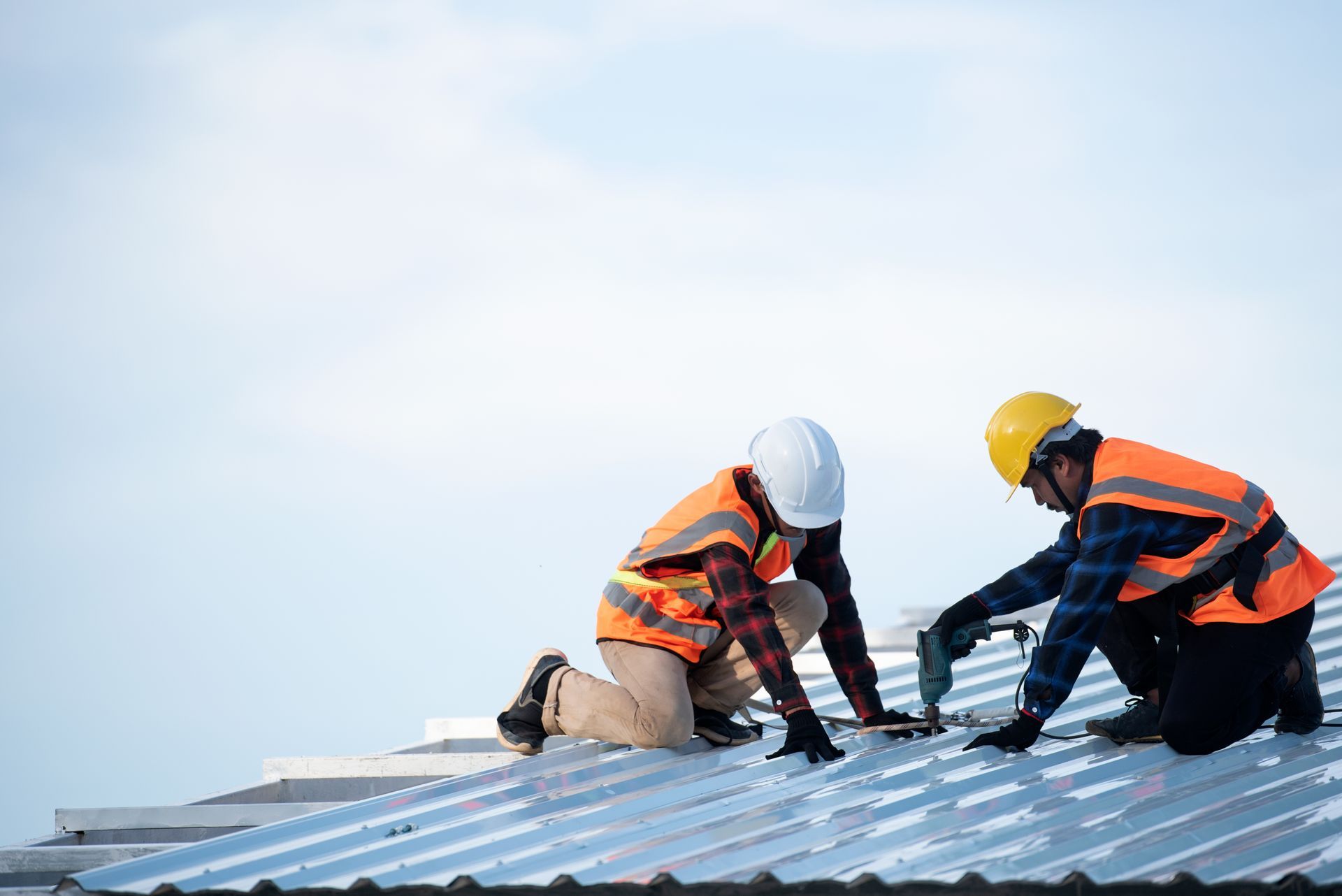
Commercial roofing installation involves preparing the roof deck, installing insulation layers that meet energy code requirements, applying membrane or built-up roofing systems suited to the building's pitch and use, and integrating flashing and drainage components that handle the water volume shed by large roof areas. Flat and low-slope commercial roofs rely on membranes with sealed seams rather than overlapping shingles, and they require careful sloping to drains so water doesn't pond and accelerate material breakdown.
Schedule a property evaluation to discuss roofing system options and project logistics based on your building's size and operational needs.
What Commercial Roofing Installation Actually Accomplishes
The installation process begins with evaluating the existing roof structure to confirm it can support the weight of new roofing, insulation, and any additional loads from equipment or maintenance traffic. Membrane roofing systems like TPO, EPDM, or modified bitumen are rolled out in sections and joined with heat-welded seams or adhesive bonds that create continuous waterproof coverage without mechanical fasteners penetrating the membrane surface at every point. Built-up roofing uses alternating layers of asphalt and reinforcing fabric, creating a thick, durable surface suitable for high-traffic roofs.
After installation, the building remains dry during rain and snowmelt, interior spaces maintain stable temperatures with improved insulation, and rooftop equipment sits on properly flashed curbs that prevent water entry around penetrations. You'll notice that ceiling tiles stay dry, HVAC performance improves without air leaks through the roof assembly, and the roof surface drains completely without standing water that degrades materials. The roofing system withstands foot traffic from maintenance personnel accessing equipment without tearing or puncturing, and it reflects solar heat or provides ballast depending on the system type.
Commercial roofing installation includes deck preparation, insulation, membrane or built-up roofing application, and flashing around penetrations and perimeters, but specific inclusions vary by project scope. It does not automatically include structural repairs to underlying decking, replacement of rooftop equipment, or modifications to parapets and drainage systems unless explicitly part of the contract. Buildings with multiple roof levels, extensive HVAC equipment, or occupied tenant spaces below may require phased installation schedules that allow business operations to continue with minimal disruption.
Common Questions About This Service
Property owners and business managers considering commercial roofing projects often ask about system options and installation logistics before committing to the work.
What roofing systems are used for commercial buildings?
Common systems include single-ply membranes like TPO and EPDM, modified bitumen, built-up roofing with multiple asphalt and fabric layers, and metal panel systems. Selection depends on roof slope, building use, budget, expected lifespan, and whether the roof needs to support equipment or foot traffic.
How does roof pitch affect commercial roofing choices?
Low-slope and flat roofs require membranes or built-up systems designed to seal water out even when drainage is slow, while steeper commercial roofs can use metal panels or other systems that rely on gravity to shed water quickly. Pitch also affects insulation placement and how seams are oriented to prevent water infiltration.
What factors affect how long the installation takes?
Project duration depends on roof size, system complexity, weather conditions, and whether the building remains occupied during work. Larger buildings, those requiring full tear-off of old roofing, or projects interrupted by rain take longer to complete safely and correctly.
How is water drainage handled on flat commercial roofs?
Flat roofs are actually built with slight slopes directing water toward drains or scuppers that carry runoff to downspouts or ground level. Proper slope prevents ponding, which shortens membrane lifespan by keeping water in contact with roofing materials longer than the system is designed to handle.
Can commercial roofing be installed without disrupting business operations?
Many installations are phased or scheduled during off-hours to minimize noise and access disruptions for tenants and customers. Coordinating work around business schedules, using quieter tear-off methods, and isolating work zones helps keep buildings operational during the project.
SignatureCraft Solutions manages commercial roofing installation projects with attention to building-specific requirements and operational continuity. Contact us to review system options and develop a project plan tailored to your property's size, use, and schedule constraints.