Roofs Designed to Protect for Decades
Residential Roofing Installation in Winchester for homes needing complete roofing systems during construction or replacement
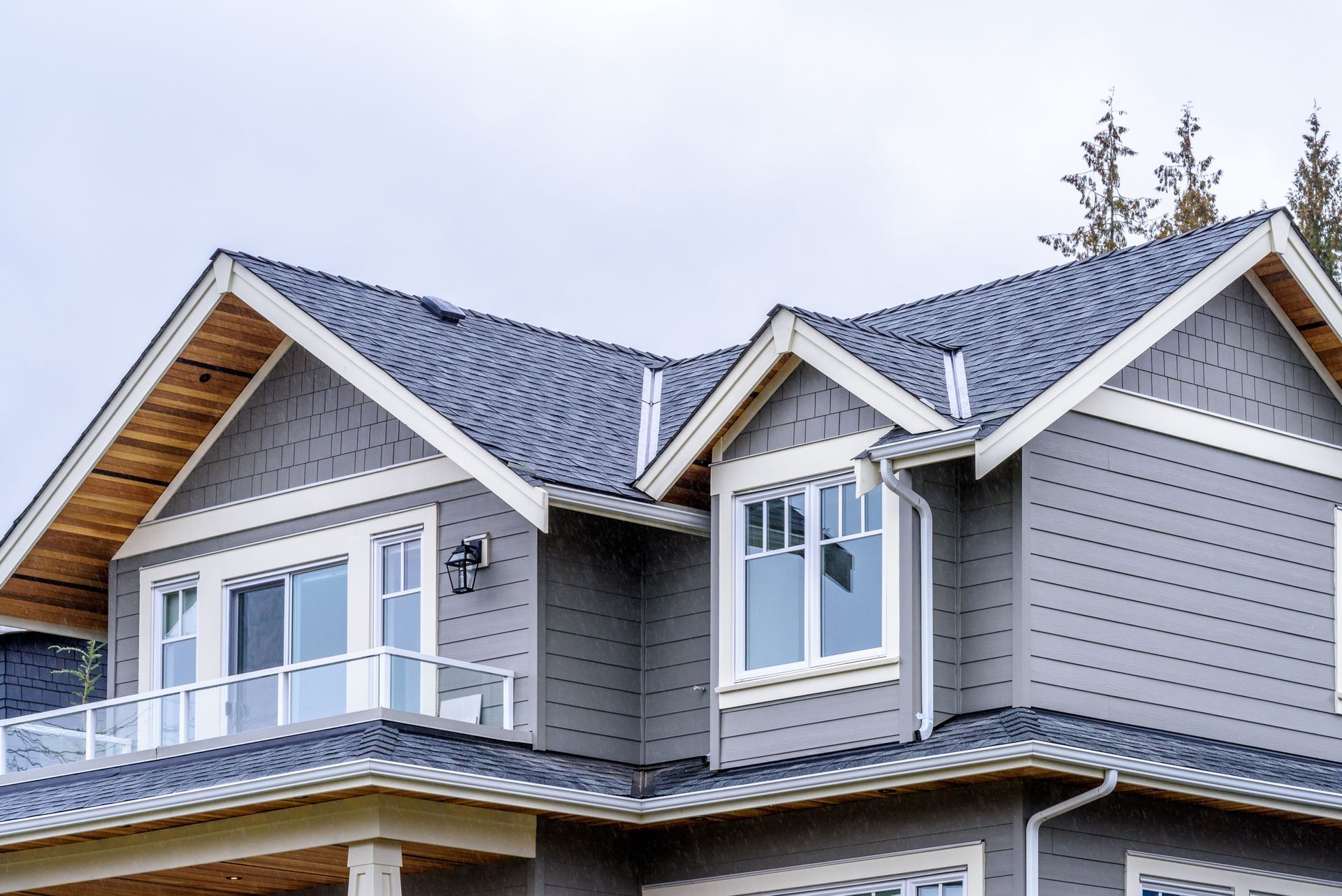
A home without intact roofing protection suffers water intrusion, structural damage, and interior degradation that spreads beyond the attic into living spaces and wall cavities. Residential roofing installation establishes the weatherproof barrier that keeps homes dry, structurally sound, and thermally efficient throughout seasonal weather cycles. SignatureCraft Solutions completes roofing installations for new construction projects, homes where existing roofs have reached the end of their service life, and properties where storm damage or structural alterations require full roof replacement rather than isolated repairs.
The installation process involves removing old roofing materials if present, inspecting and repairing roof deck sheathing, applying underlayment that provides secondary water protection, and installing roofing materials in overlapping courses that shed water away from seams and penetrations. Flashing around chimneys, vent pipes, and roof-to-wall intersections directs water onto the roofing surface rather than allowing it to enter gaps where different building planes meet.
Schedule a property evaluation to assess your current roof condition and discuss material options suited to your home's design.
What Changes After Installation Completes
Roof installation begins with deck inspection to identify any sheathing boards or panels weakened by previous leaks, rot, or structural movement, ensuring the new roofing attaches to solid substrate. Underlayment coverage creates a temporary weather barrier during installation and a permanent secondary defense if roofing materials ever fail. Shingles, tiles, or panels are fastened in patterns that account for wind uplift, water flow direction, and thermal expansion, with starter courses and ridge caps sealing edges where wind-driven rain is most likely to penetrate.
Once installation completes, your home sheds rainwater and snowmelt to gutters or ground level without leaks entering the attic, ceilings, or walls. You'll notice that interior spaces remain dry during storms, attic temperatures stabilize with proper ventilation, and the roofline appears uniform without sagging sections or visible material deterioration. The roof's surface reflects or absorbs solar heat depending on material color and type, affecting cooling costs during summer months and snow shedding rates in winter.
Residential roofing installation includes deck preparation, underlayment, roofing material application, and flashing around penetrations, but it does not include gutter replacement, siding repairs, or modifications to roof structure or ventilation unless those elements are explicitly part of the project scope. Homes with multiple roof planes, steep pitches, or limited access for material delivery may require additional safety equipment and staging that affects project duration.
What Property Owners Usually Ask
Homeowners considering roof installation often want clarity on material performance and what the project involves before work begins.
What roofing materials are available for residential installations?
Common options include asphalt shingles, metal panels, clay or concrete tiles, and synthetic slate, each offering different lifespans, wind resistance, and weight characteristics. Material selection depends on roof pitch, structural capacity to handle tile or slate weight, and how the roofing integrates with the home's architectural style.
How does roof pitch affect the installation process?
Steeper roofs require additional safety equipment, take longer to install, and may limit material options since some roofing types are only suitable for pitches above a certain angle. Low-slope roofs need materials and underlayment designed to prevent water pooling and back-flow under shingles.
What happens to the old roof during replacement projects?
Existing roofing is typically removed down to the deck sheathing so the new underlayment adheres directly to clean wood and any damaged sheathing can be identified and replaced. Some metal roofing systems can be installed over one layer of old shingles if deck condition allows and weight limits are not exceeded.
How long does a residential roof installation take?
Most single-family homes are completed within several days depending on roof size, complexity, weather conditions, and material type. Larger homes, those with multiple dormers or valleys, or projects interrupted by rain take longer to finish safely.
What should I expect regarding site cleanup after installation?
Roofing debris including old shingles, nails, underlayment scraps, and packaging is removed from the property, and the area around the home is cleared of materials that fell during tear-off. Magnetic sweeps collect loose nails from driveways and lawns to prevent tire or foot injuries.
SignatureCraft Solutions provides residential roofing installation tailored to your home's structural requirements and weather exposure. Contact us to review material options and receive a project estimate based on your roof's dimensions and complexity.